Pablo Pakciarz, Lucia Liz, Piero Vicente, Silvia De Stoia
May 9 – June 7, 2026
Opening: Saturday, May 9, 7 PM
Cassia House presents Dancing in the Courthouse, a group exhibition bringing together works by Pablo Pakciarz, Lucia Liz, Piero Vicente & Silvia De Stoia. The exhibition unfolds as a journey where identity emerges as a practice shaped by observation, pressure, and the decision to hold one’s ground.
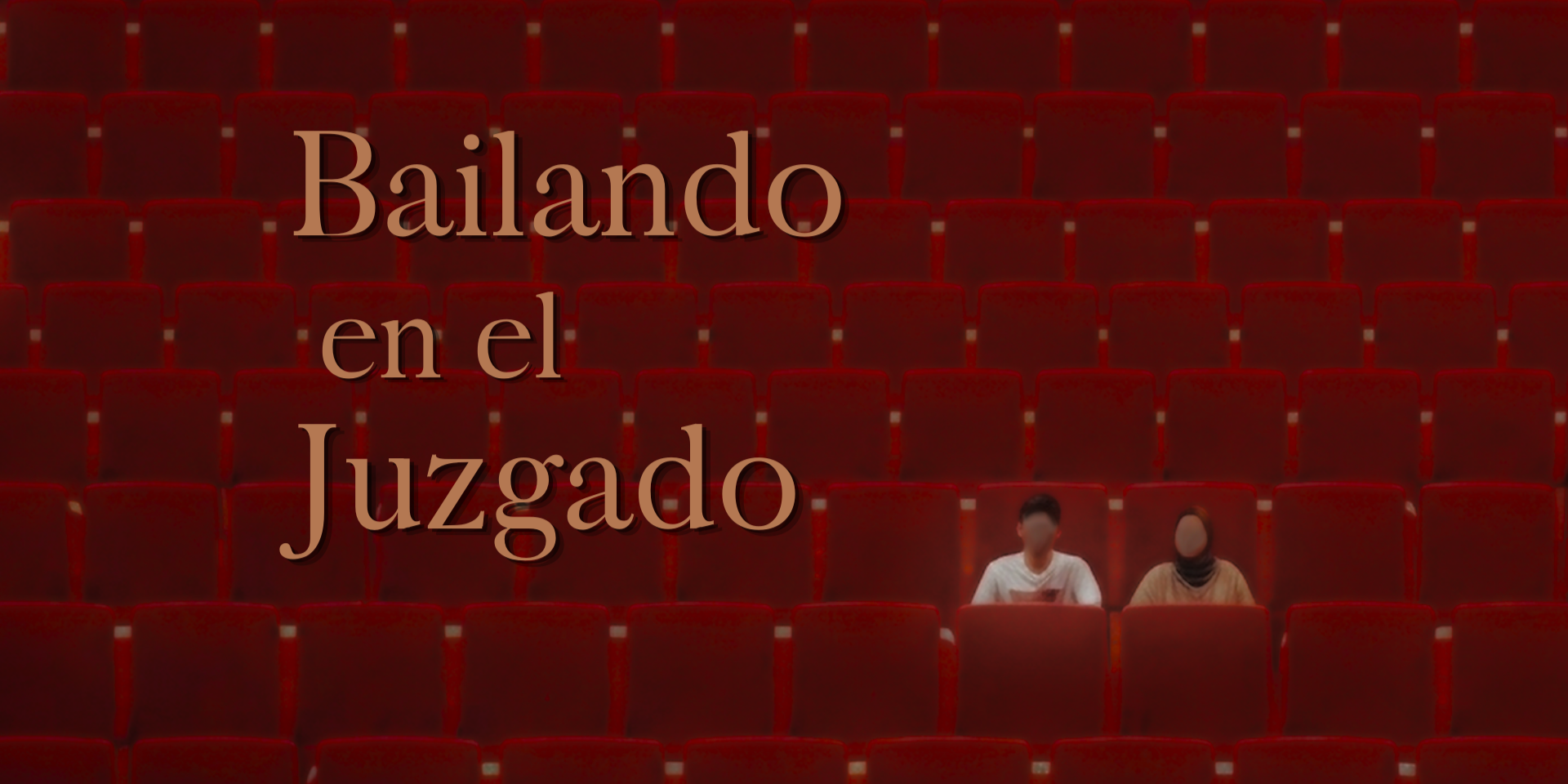
In a present where identity is constructed through what is visible—through repeated gestures and the relationships that validate them—the exhibition situates itself at the point where this construction intensifies. A moment in which every gesture carries weight, every choice defines a position, and every way of appearing implies taking a stance.
Identity is built through what is visible, through the repetition of gestures that constitute us, through the roles others recognize and validate. It is also formed in relation to others, in what is shared, negotiated, and adapted. Each of these moments organizes a possible image of the individual, a way of being in the everyday world. Yet none of them fully contains it: there is a point at which this construction enters into tension, where what once seemed stable no longer suffices and something begins to take shape with greater intensity.
The works in this exhibition inhabit that moment. They do not present fixed identities or complete narratives. From luminous, carefully composed surfaces that reflect shared experience and collective pressure, to more introspective and silent instances, each artist proposes a distinct way of being in the world. Within this trajectory, identity ceases to function as a fixed definition and becomes an act: a way of holding oneself, of taking a position, of persisting even when the context demands otherwise.
En Self-Reliance, Emerson understands identity as self-trust, as the ability to maintain a position even when it is challenged by the surrounding world. This idea runs through the exhibition as a common thread: identity as something enacted, a conscious practice of being and doing.
Within this framework, a question emerges—one that does not seek a stable definition or a final answer. It appears as something tested with each decision, with each uncorrected gesture, with each position sustained despite pressure, both internal and external. The works open a space that poses the question: Who are you when it matters?
The intersection of these practices creates a territory where the body, image, and structure function as fields of tension. Pakciarz’s painting expands toward the collective and the emotional; Lucía Liz constructs scenes shaped by exposure and relational dynamics; Piero Vicente introduces an introspective dimension, where the figure fragments and transforms; while Silvia De Stoia reduces the body to its minimum expression, stretching it into lines and balances that condense its presence.
Taken together, Dancing in the Courthouse proposes a space where identity is set into play as experience, opening a path in which each work activates a different way of inhabiting that tension.
We would like to extend special thanks to Bodega Canteros for accompanying the exhibition’s events, joining this shared experience of encounter between art, city, and hospitality.
